
Winter HVAC Maintenance Checklist Before First Frost
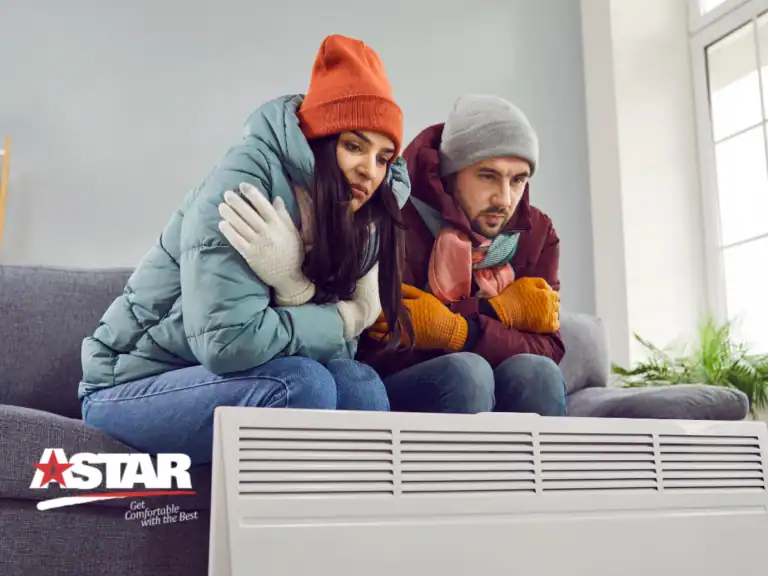
Before the first hard freeze hits Middletown, get your heating equipment ready by changing your furnace filter, testing your thermostat and carbon monoxide detectors, clearing your vents, and scheduling a heating tune-up. This winter HVAC maintenance checklist covers what you can handle yourself and what a licensed technician should check. Here’s how to handle each step.
Essential Steps You Can Take Around the Home
Homeowners can complete several routine checks before calling an HVAC technician. Doing them early shows you how well your equipment responds before freezing temperatures arrive.
Replace the Furnace Filter
A clean furnace filter keeps air moving steadily through your home. Dust, pet dander, and seasonal debris collect on the filter through late summer and early fall. A clogged filter forces the blower motor to work harder to pull air through the return ducts, which wears out internal parts faster. Check the filter before you turn the heat on for the season, and replace it if dust coats the pleated surface.
Test Your Thermostat and Operating Modes
Switch your thermostat from cooling to heating to confirm the equipment responds. If you use a programmable thermostat, update the schedule so the temperature settings match your fall and winter routine. Listen for the system to ignite or start, and check that warm air comes out of the supply vents within a few minutes. If the system doesn’t turn on, replace the thermostat batteries and check that the circuit breaker hasn’t tripped.
Maintain Unobstructed Airflow Around Vents
Walk through each room and make sure supply and return grilles are clear. Furniture, thick rugs, storage boxes, and long drapes often get moved during the summer and end up blocking vents. Blocked vents restrict airflow, which leaves some rooms colder and makes the blower work harder. Keeping airflow around vents clear helps your system heat every room evenly.
Protecting Your Home and Outdoor Equipment
Heating season adds safety checks you don’t need in summer, especially around combustion venting and outdoor equipment. Handle them now, before snow and ice make them harder to reach.
Test Every Carbon Monoxide Detector
Heating systems that burn oil, natural gas, or propane produce exhaust that must vent outdoors. A working carbon monoxide detector on every floor warns you if exhaust gases leak into your living space. Press the test button on each detector and replace old batteries. Then check the date printed on the back of each detector and replace any that are past it.
Clear Outdoor Vents and Exterior Units
Check your home’s exterior exhaust pipes and intake ports for fallen leaves, rodent nests, and overgrown brush. High-efficiency furnaces and boilers use PVC sidewall vents that need clear space to draw in fresh combustion air and push out exhaust. After a storm, make sure drifting snow hasn’t covered these vents. If you heat with a heat pump, clear weeds and fallen leaves away from the outdoor unit so air flows freely through the coil.
Prepare Summer Cooling Components
If you have a central A/C condenser alongside your furnace, turn off its exterior electrical disconnect to prevent accidental operation during warm spells. Skip this step if your outdoor unit is a heat pump, since it provides your heat in winter. Clear dirt and leaves away from the base of the condenser. You don’t need to wrap the unit completely, but a breathable cover or a simple board across the top protects the fan motor from falling branches and heavy icicles.
Professional Inspection Tasks Before Winter
Filter changes and vent checks are easy homeowner tasks, but a complete winter HVAC maintenance checklist also includes diagnostics that need a licensed technician.
Schedule a Heating System Tune-Up
A heating system tune-up finds worn parts before they cause a shutdown in freezing weather. Technicians clean burner assemblies, test electrical switches, inspect the ignition system, and check internal safety controls. For boilers and hot-water heat, service includes checking pressure relief valves and circulator pumps. A heat pump inspection checks reversing valve operation, defrost controls, and refrigerant levels.
Inspect the Heat Exchanger and Flue Pipe
A cracked heat exchanger is a serious safety risk because it lets combustion gases mix with the air your system blows into your home. Technicians inspect the heat exchanger walls for cracks, corrosion, and soot buildup. They also check the draft through the chimney or metal flue pipe to confirm that exhaust leaves your home without backdrafting.
Why Winter HVAC Maintenance Matters
Completing this winter HVAC maintenance checklist before freezing temperatures settle across the Mid-Hudson Valley protects your heating equipment and helps your system use fuel efficiently. Changing filters, testing alarms, and scheduling professional maintenance reduce the chance of an emergency service call when temperatures drop.
Schedule Your Heating Inspection in Middletown, NY
Astar Heating & Air has served Mid-Hudson Valley homeowners since 1976. Our licensed technicians are based in Middletown, NY, and offer upfront pricing. Contact Astar Heating & Air to schedule your seasonal heating inspection.