
What to Do During a No Heat Emergency
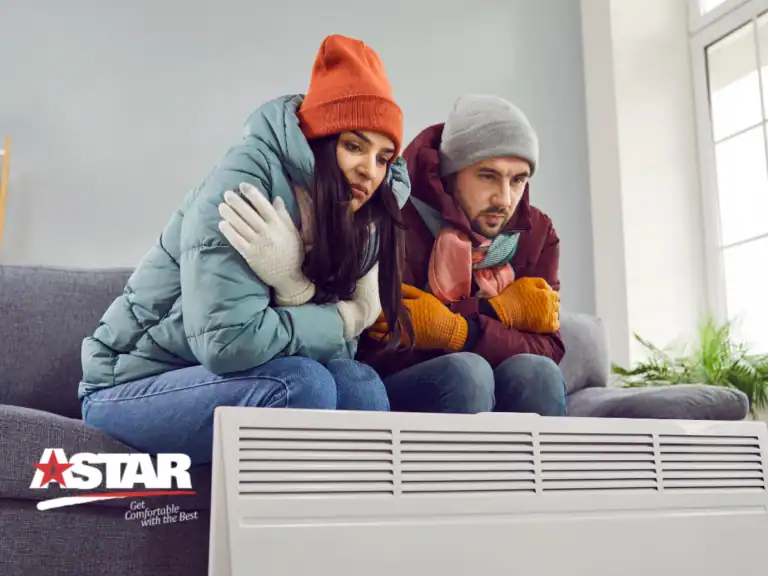
If your heat goes out, check your thermostat, the furnace power switch, your circuit breaker, your fuel level, and your air filter. Many no-heat emergencies in Middletown homes come down to one of these. If none of them fixes it, keep your family warm, protect your plumbing, and call a technician. Here’s how to handle each step.
Essential System Checks to Perform First
Before calling for service, take a few minutes to check basic controls and power. Many heating outages come from simple problems, not mechanical failures.
Verify Your Thermostat Settings and Power
Start with the thermostat display. Make sure it’s set to heat, not cool or off, and raise the temperature several degrees above the current room reading. If the screen is blank and your thermostat uses batteries, replace them. A loose front plate or dead batteries can keep the thermostat from signaling your equipment.
Inspect the Power Switch and Electrical Panel
Heating systems need power to run fans, igniters, and safety controls. Find the power switch for your furnace or boiler, usually near the equipment or at the top of the basement stairs. It often looks like a standard light switch. Make sure it’s on. Next, check your electrical panel to see if the heating system’s circuit breaker has tripped. If the breaker is in the middle or off position, reset it once. If it trips again, leave it off and call a technician. A breaker that keeps tripping points to an electrical problem.
Check Fuel Supplies and Filters
If your home uses heating oil or propane, check the tank gauge to make sure you haven’t run out. If your oil burner has a red reset button, press it only once. Pressing it repeatedly can flood the burner with oil. An oil system that ran dry may also need a technician to restart it. For forced-air systems, check the air filter. A badly clogged filter restricts airflow, which can trip a safety switch that shuts the burners off to prevent overheating.
Protecting Your Living Space While Waiting for Heat
If these checks don’t bring the heat back, your main goal is to keep your home warm and protect it from damage.
Trap Residual Heat Indoors
Keep exterior doors shut and close curtains or blinds to block cold drafts. Gather your family and pets in one room, ideally on the sunny side of the house, and close the doors to unused bedrooms to keep warmth in a smaller area. Layer warm clothing, blankets, and warm socks or slippers.
Never use an oven, gas stove, grill, or generator to heat your home. If you use a portable electric space heater, plug it directly into a wall outlet, keep it away from anything that can burn, and turn it off when you leave the room or go to sleep.
Prevent Household Water Lines From Freezing
As your home cools, pipes along exterior walls or in unheated crawlspaces are at risk. Long exposure to cold can cause frozen pipes that crack and lead to water leaks. Open the cabinet doors under kitchen and bathroom sinks so warmer room air reaches the pipes. Let a small, steady trickle of cold water run from faucets to keep water moving and help prevent ice blockages.
When to Contact a Professional Heating Technician
Some heating problems are safety hazards or need a professional diagnosis. Running a malfunctioning system can damage more parts.
Recognize Clear Mechanical Failures
If your equipment makes loud grinding, clanking, or screeching sounds when it starts, turn it off at the power switch or breaker. A failed blower motor or faulty ignition control needs professional furnace repair. If you have a boiler system, check the pressure gauge. Call a technician if the reading is outside the normal range marked on the gauge or if you see water pooling on the floor, which can point to circulator pump or relief valve trouble.
Address Safety Concerns and Frequent Breakdowns
Never ignore a gas smell, a burning electrical smell, or a carbon monoxide alarm:
- Gas smell: Don’t touch any switches. Leave the house immediately and call your gas utility or 911 from outside.
- Carbon monoxide alarm: Get everyone outside right away and call 911 from outdoors.
- Burning electrical smell: Turn the system off at the power switch and call a technician. If you see smoke, leave and call 911.
Routine heating maintenance and repair helps prevent unexpected breakdowns, but any outage in freezing weather needs professional attention quickly.
Restoring Warmth to Your Home
A no-heat emergency can feel overwhelming, but staying calm and running through the power, fuel, and thermostat checks helps you find simple problems quickly. Protecting your pipes and keeping your family warm helps keep a short outage from causing costly damage. If these checks don’t fix the problem, a licensed technician can get your heating system running again safely.
Contact Astar Heating & Air for Dependable Service
When your heat goes out in cold weather, fast service matters. Astar Heating & Air has served Middletown, NY, and the Mid-Hudson Valley since 1976, providing emergency heating service with licensed technicians and upfront pricing. Contact our team online to schedule service.