
Signs You Need Furnace Repair Before Winter
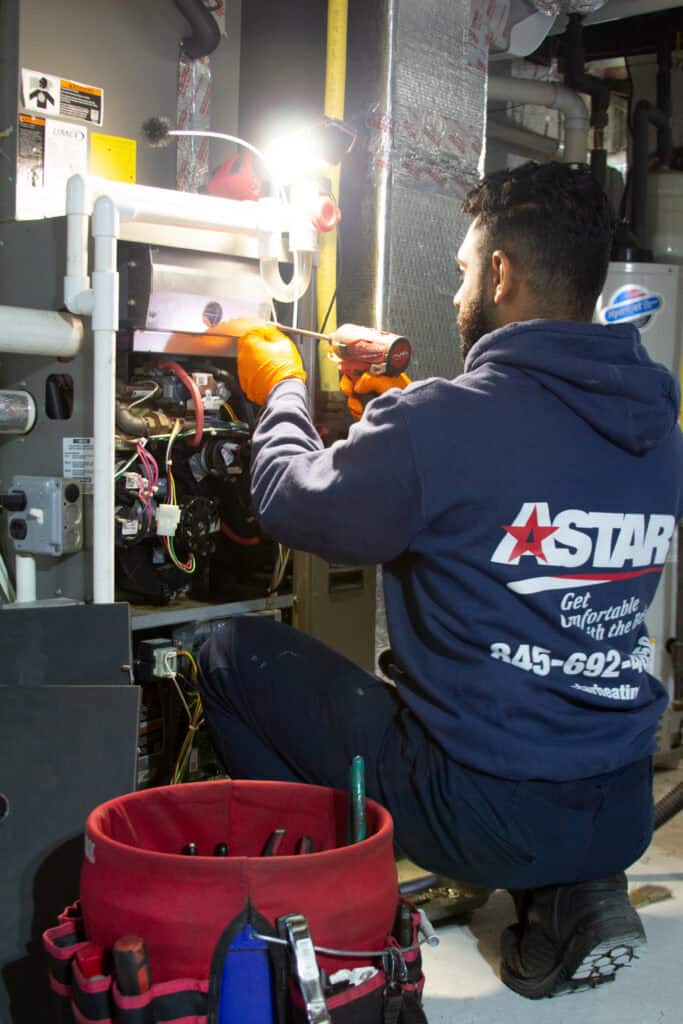
A sudden heating breakdown during a freezing Hudson Valley night leaves your household without warmth when you need it most. Turning your thermostat up for the season should deliver steady heat without odd clanks, lingering odors, or sudden shutoffs. Catching minor mechanical defects early protects your equipment from severe strain and avoids emergency service calls in the middle of a snowstorm. Recognizing the critical signs you need furnace repair allows you to resolve burner issues, airflow restrictions, and electrical faults before cold weather settles into New York. This guide breaks down the performance problems, strange sounds, and safety red flags that signal it is time to have a technician inspect your system.
Performance Issues and Irregular Heating Cycles
A furnace should run predictable cycles that distribute air evenly across every living space. When internal components wear out, the system struggles to satisfy your thermostat settings and starts displaying erratic run patterns.
Frequent Short Cycling
A properly operating furnace warms the house gradually before shutting down until temperatures drop again. If your unit fires up, runs for two minutes, and abruptly shuts down, the system is experiencing short cycling. This issue often stems from an overheating heat exchanger caused by a clogged filter, a faulty flame sensor, or an improperly calibrated thermostat. Frequent cycling subjects the blower motor and igniter to intense physical wear, which rapidly accelerates mechanical breakdown if left unaddressed.
Uneven Heating and Lukewarm Airflow
Walk through your home and check the temperature coming from supply registers in different rooms. Weak airflow or uneven heating between upstairs and downstairs areas suggests your blower motor is failing, your duct dampers are misaligned, or the burner assembly is malfunctioning. A furnace blowing lukewarm air while set to heat may have dirty burners that cannot maintain a solid flame pattern. Scheduling timely furnace repair restores balanced warm air delivery to every room before outdoor temperatures plunge.
Unusual Noises, Odors, and Combustion Symptoms
Furnaces produce a low hum and gentle air rush during normal operation. Loud mechanical disruptions or lingering odors require prompt investigation by an experienced professional.
Rattling, Screeching, and Banging Noises
Pay close attention to changes in sound during ignition and operation. Loud banging noises right after the thermostat calls for heat indicate delayed ignition, where gas builds up in the combustion chamber before lighting all at once. Metal scraping sounds often point to a loosened blower fan wheel hitting its housing, while high-pitched squealing suggests a damaged blower belt or failing motor bearings. These mechanical stresses will damage surrounding hardware if the unit continues running.
Burner Flame Color and Persistent Odors
A healthy natural gas or propane burner produces a steady, crisp blue flame. A yellow pilot light or flickering yellow burner flame means incomplete combustion, which produces soot and elevates the risk of carbon monoxide leaks inside your living areas. Dust burning off your heat exchanger during the initial autumn startup is normal for an hour or two. Lingering electrical burning smells, metallic scents, or sulfur odors mean that wiring is overheating or gas is escaping, requiring an immediate heating system shutdown.
Safety Warnings and Preventative Diagnostics
Furnace problems can quickly become safety hazards if ignored. Knowing what to watch for around the furnace cabinet helps homeowners keep their households safe.
Soot Accumulation and Detector Alerts
Black soot streaks around the burner access door, draft hood, or exhaust flue indicate that the unit is not venting combustion gases cleanly. Never ignore a sounding carbon monoxide detector near your utility room, because cracked heat exchangers can push dangerous exhaust directly into your ductwork. If an alarm sounds, ventilate the home, step outdoors, and call for emergency assistance right away. Routine furnace maintenance uncovers hairline cracks and drafting failures before dangerous gases escape into the home.
Constant Thermostat Adjustments
If you find yourself constantly bumping the temperature up several degrees to feel warm, your heating equipment is losing output capacity. Aging electrical relays, failing capacities, and corroded ignition components all decrease operating efficiency. Addressing these signs you need furnace repair early ensures dependable heat when the first freeze arrives.
Why Early Furnace Repair Matters
A dependable heating system should keep your home warm without short cycling, blowing lukewarm air, or producing rattling noises. Ignoring subtle warning signs like combustion odors or weak airflow forces internal parts to work harder, leading to sudden shutdowns during severe weather. Addressing these symptoms early extends the operational life of your equipment and protects indoor air quality. Dispatching from Middletown, NY, Astar Heating & Air has been serving the communities in the Mid-Hudson Valley, NY, since 1976 with licensed, experienced professionals who deliver honest, upfront recommendations on every visit.
Schedule Furnace Repair in Middletown, NY
Do not wait for winter storms to test your heating equipment. If you notice any of these warning signs, contact Astar Heating & Air today to schedule your furnace inspection. Our team brings upfront pricing and decades of field experience straight to your doorstep.