
Signs of a Hidden Water Leak: When to Call for Leak Detection
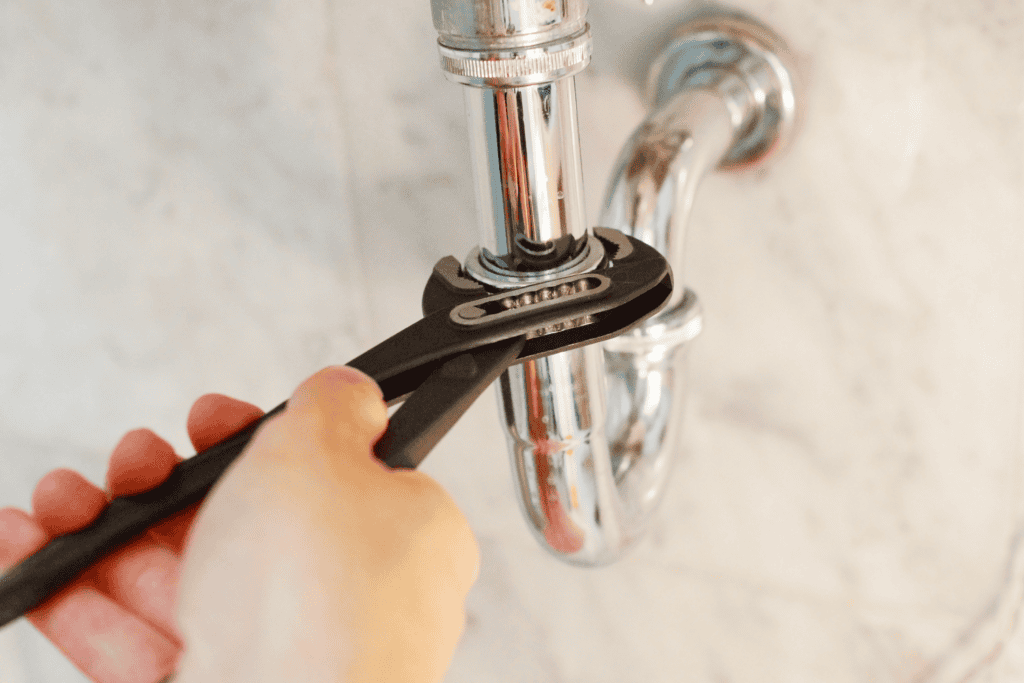
A dripping faucet is simple to spot, but a pipe leaking out of sight inside a wall or under a concrete slab presents a much greater challenge. Undetected moisture slowly degrades building materials, encourages mold, and drives up utility costs before you ever see standing water. Knowing what physical warnings to watch for helps you catch plumbing issues before they cause extensive destruction. Homeowners can track subtle household clues, test their utility equipment, and rely on specialized leak detection services to pinpoint the exact location of a hidden pipe failure. This guide breaks down the physical signs of a hidden water leak, explains how to check your water meter, and details how professional plumbers isolate hidden plumbing problems.
Physical Signs of a Water Leak Inside Walls and Floors
Supply lines and drainage runs travel through finished cavities, meaning water escapes silently long before an active puddle forms on the floor. Recognizing the early signs of a water leak allows you to address the source before secondary water damage destroys drywall, subfloors, and structural framing.
Stained Drywall, Peeling Paint, and Warped Baseboards
Moisture inside a wall cavity naturally wicks into porous drywall and wood framing. You may notice discoloration that looks like a yellowish ring, bubbling paint, or wallpaper pulling away from seams. Baseboards that feel spongy, show localized swelling, or pull away from the wall indicate water settling along the bottom plate of the framing. Hardwood floors that start cupping or buckling without a surface spill often point to an active line failure directly beneath the subfloor.
Persistent Musty Odors and Localized Mildew
Damp, dark spaces behind sheetrock create an ideal environment for mold and mildew spores to spread. If a particular hallway, bathroom, or closet smells persistently damp despite routine cleaning, water is likely escaping nearby. Mold patches that reappear on ceiling tiles, baseboards, or grout lines often indicate an active supply line leak rather than simple atmospheric humidity.
Sounds of Running Water in Quiet Rooms
When every fixture is turned off, your plumbing system should remain silent. If you hear hissing, trickling, or continuous dripping sounds inside a wall, water is still moving through pressurized supply lines. These sounds often become most noticeable at night when the rest of the house is quiet and ambient noise drops.
Billing Spikes and Performing a Water Meter Test
Not every plumbing defect leaves an immediate mark on your ceiling or floorboards. Some leaks occur underground, within crawl spaces, or deep inside foundation slabs where moisture drains into the soil unnoticed. In these situations, your utility bills and home water meter serve as the most reliable diagnostic tools.
Tracking an Unexplained High Water Bill
A sudden jump in municipal water charges without a clear change in household habits is a classic indicator of an underground or interior leak. If family routines, landscaping irrigation, and guest counts remain constant, your monthly bill should stay consistent. An unexplained high water bill means water is continuously running somewhere in the plumbing network, even if you never see moisture inside your living spaces.
Steps to Complete a Reliable Water Meter Test
You can use your utility meter to confirm whether water is flowing continuously without your knowledge.
- Turn off all water fixtures inside and outside your home, including washing machines, dishwashers, and automatic ice makers.
- Locate your water meter, which is typically found in a basement, utility closet, or outdoor pit near the curb.
- Inspect the meter dial for a small triangular indicator, gear wheel, or digital readout that measures low-flow consumption. If that low-flow indicator spins or the digital numbers climb while all fixtures remain shut off, water is escaping from the system.
- You can also note the exact register reading and leave all fixtures untouched for a period of time. If the reading increases after that interval, you have confirmed a leak somewhere on your property.
Professional Diagnostic Methods and Evaluating Plumbing Pipes
Confirming that a leak exists is only the initial step in resolving the issue. Tearing open walls or breaking up concrete on a hunch creates unnecessary disruption and high repair expenses. Licensed plumbers use non-invasive leak detection equipment to find the exact origin of the problem before opening any building surfaces.
Acoustic Sensors, Thermal Cameras, and Pressure Testing
Specialized acoustic listening devices amplify the sound of pressurized water escaping from pinholes deep inside floors and walls. Technicians also use thermal imaging cameras to track temperature differences caused by pooling hot or cold water behind finished surfaces. In addition, isolation pressure testing helps technicians isolate specific plumbing sections, confirming whether the fault lies on a main water line, an irrigation run, or an interior branch.
Assessing the Condition of Aging Plumbing Pipes
Pinpointing an active leak often reveals broader wear across your residential supply lines. Older homes with copper, galvanized steel, or aging plastic piping can develop multiple microscopic failures as corrosion sets in. When a line exhibits widespread pinhole pitting, targeted spot repairs may only offer a temporary fix before another seam gives way. In those situations, a technician may recommend comprehensive repiping to replace degraded sections with modern, durable materials.
Timely Action Prevents Severe Household Damage
Ignoring subtle plumbing symptoms allows escaped water to rot structural wood, ruin flooring, and encourage hidden mold colonies behind your drywall. Watching for warped finishes, musty odors, running water sounds, and unexplained billing increases helps you catch leaks early. Performing a routine water meter test provides immediate verification when you suspect an issue. Bringing in a licensed professional for plumbing repair and electronic leak detection ensures the problem gets fixed accurately without turning your home into a demolition zone. Taking prompt action keeps your living space safe and protects the structural integrity of your home for the long term.
Schedule Professional Plumbing Service With Astar Heating & Air
If you suspect a hidden water line problem in your home, work with technicians who have the right diagnostic equipment to locate it fast. Astar Heating & Air has provided dependable home services to homeowners across the Mid-Hudson Valley since 1976. Our licensed professionals pinpoint hidden plumbing failures cleanly and provide upfront pricing so you know what to expect before repair work begins. Contact Astar Heating & Air or reach out online to schedule an appointment with our team today.