
How to Light a Furnace Pilot
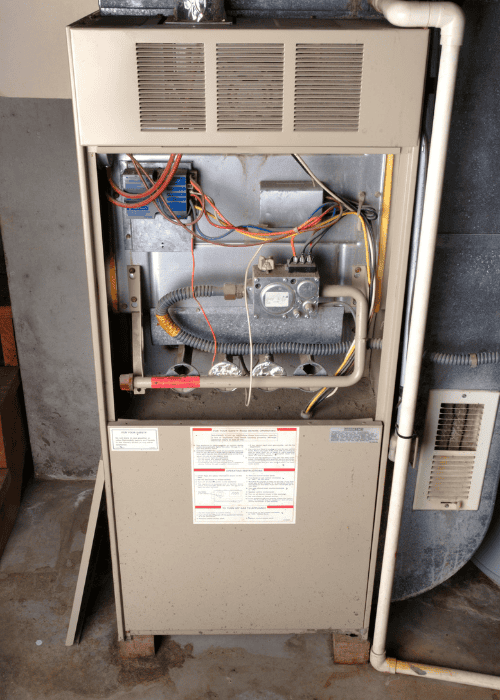
If your heating system stops producing heat on a cold day, a dark burner assembly is often the first clue that the flame has gone out. For homeowners with an older system, learning how to light a furnace pilot can get your heating system back online quickly. Understanding the proper sequence keeps you safe and helps you identify when an equipment malfunction requires professional intervention. This guide explains the essential safety checks, provides a step-by-step lighting walkthrough, and covers the warning signs that indicate you should step away from the equipment and call an experienced technician.
Safety Precautions and Identifying Your Ignition System
Verify You Have a Standing Pilot Light
Older heating systems rely on a continuous flame known as a standing pilot light to ignite the main burners whenever the thermostat calls for heat. Modern high-efficiency systems, on the other hand, use an electronic ignition system, such as a hot surface igniter or an intermittent spark ignition. If your gas furnace features an electronic ignition assembly, it does not possess an open pilot flame for you to light manually. Attempting to introduce an open flame into a modern electronic unit can destroy fragile electronic components or create a serious safety hazard. Check the manufacturer label inside the burner cabinet or look through the access window to confirm your system uses a mechanical gas valve with an explicit “Pilot” setting.
The Critical Gas Sniff Test
Before you pick up a match or touch any controls, use your senses to assess the area around the equipment. Natural gas and propane companies add a chemical odorant called mercaptan, which smells distinctly like sulfur or rotten eggs, to alert homeowners to fuel leaks. If you detect this distinct odor in your utility room or basement, do not attempt to light the flame or flip any nearby electrical switches. Turn off the gas line shutoff valve if you can reach it safely, evacuate everyone from the house immediately, and contact your gas utility provider from a safe distance outside. You should only attempt to restart the equipment when there is absolutely no smell of fuel in the surrounding space.
Step-by-Step Walkthrough: Lighting Your Pilot Flame
Preparation and Setting the Controls
Begin by adjusting your smart thermostat to its lowest temperature setting or switching the control mode completely to off so the burners do not ignite unexpectedly. Locate the primary gas control valve inside the access cabinet, which will have a control knob displaying “On,” “Off,” and “Pilot” positions. Turn this control dial to the “Off” position and wait at least five full minutes for any residual gas to dissipate from the burner chamber. Skipping this waiting period can cause built-up fuel to flash suddenly when an open flame is introduced, posing a burn risk. While you wait, prepare a long-reach multi-purpose utility lighter or a long fireplace match to keep your hands safely away from the burner opening.
Igniting the Pilot and Warming the Sensor
Once the waiting period concludes, rotate the control knob to the “Pilot” position and prepare your lighting tool. Before reviewing how to light a furnace pilot, make sure you have a long lighter or fireplace match ready. Press and hold down the pilot knob or separate reset button to allow a small stream of fuel to reach the pilot orifice. Bring your flame directly to the tip of the pilot tube until a steady flame catches. Continue holding the reset button down firmly for thirty to forty-five seconds after the flame lights. This sustained pressure keeps gas flowing while the flame heats the copper thermocouple, a safety sensor that signals the valve that a safe flame is present. After holding the button down, release it slowly and confirm that the furnace pilot light remains burning steadily before turning the main dial back to the “On” position.
Troubleshooting Issues and Knowing When to Call a Professional
Why a Pilot Flame Fails to Stay Lit
When a pilot light won’t stay lit despite multiple careful attempts, mechanical or safety components have usually failed. Knowing how to light a furnace pilot helps in standard situations, but repeated failure indicates an underlying safety issue. The most frequent culprit is a worn, oxidized, or misaligned thermocouple that cannot generate enough millivolts to keep the internal valve solenoid open. Soot buildup on the sensor can insulate it from heat, causing the safety mechanism to shut off the gas supply immediately upon button release. A clogged pilot orifice can also starve the flame of gas, resulting in a weak, flickering yellow flame instead of a sharp blue cone.
Situations That Require Immediate Technician Support
Never force the gas control knob to stay down with tape or tools, because bypassing built-in safeties creates a severe explosion hazard. If the flame goes out immediately every time you release the valve, schedule an appointment for professional heating maintenance & repair. You should also shut down the equipment and call for help if you observe yellow or orange rolling flames, which indicate incomplete combustion and potential carbon monoxide production. Older systems that experience recurring ignition trouble often suffer from cracked heat exchangers, drafting problems, or failing gas valves that warrant a comprehensive inspection of your broader heating system.
Restoring Reliable Heat and Protecting Your Home
Lighting a pilot flame is a manageable task when you follow proper protocols, prioritize ventilation, and confirm that no fuel leaks exist. Taking time to inspect the flame color and verifying that your thermocouple functions properly keeps your heating equipment operating safely through the coldest months. If your burner fails to ignite after two attempts, discontinue manual lighting to avoid unburned gas accumulation and let a certified technician diagnose the root cause. Routine preventative care preserves system reliability, protects indoor air quality, and ensures that your home stays comfortably warm all winter long.
Schedule Heating Service with Astar Heating & Air
When your furnace refuses to stay lit or exhibits erratic operation, count on the licensed professionals at Astar Heating & Air for dependable diagnostics and upfront pricing. Dispatching from Middletown, NY, Astar Heating has been serving the communities in the Mid-Hudson Valley, NY since 1976 with trustworthy heating and A/C solutions. Call our experienced team today to schedule an inspection or repair before temperatures drop further.