
How to Choose A Heating and Air Conditioning System
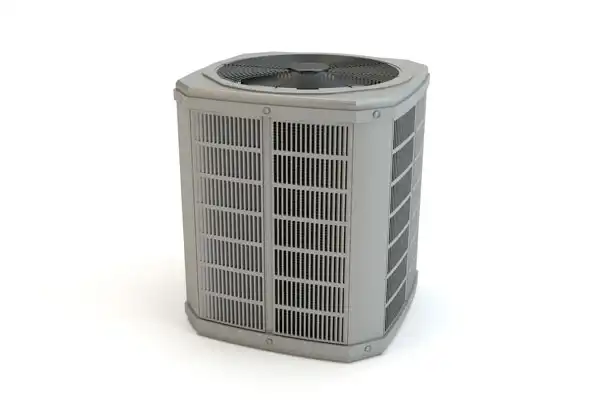
Choosing a new heating and air conditioning system for your home can feel like a major challenge. With so many options, technical terms, and cost factors, it’s easy to feel overwhelmed. But making the right choice is crucial for your family’s comfort and your home’s energy efficiency for years to come. This guide on how to choose a heating and air conditioning system is designed to simplify the process. We’ll walk you through key considerations, explain common industry rules of thumb, and help you understand what system is truly best for your home, especially if you live in the Middletown, NY area.
Understanding the Essentials of Choosing an HVAC System
Before diving into specific models, it’s important to grasp the fundamental factors that determine a system’s suitability for your home. Getting these right is the first step toward efficient, reliable home comfort.
How to Determine the Size of a Heating and Air Conditioning System
One of the most common mistakes homeowners make is buying a system that is too large or too small for their space. An undersized unit will constantly run without ever reaching the desired temperature, while an oversized unit will cycle on and off too frequently. This leads to poor humidity control, unnecessary wear and tear, and wasted energy. A professional technician performs a ‘load calculation’ that considers your home’s square footage, layout, insulation quality, window types, and local climate to find the perfect size.
Is 18 SEER or 20 SEER Better?
When you see ‘SEER,’ it stands for Seasonal Energy Efficiency Ratio. It’s a rating that measures the cooling output of an A/C unit over a typical cooling season, divided by the energy it consumed. Simply put, the higher the SEER rating, the more energy-efficient the unit is. While a 20 SEER system is more efficient than an 18 SEER system, it also comes with a higher upfront cost. The best choice depends on your budget and how long you plan to live in your home. A higher SEER unit can lead to significant savings on your utility bills over time, eventually paying for the initial investment difference.
Types of Heating, Ventilating, and Air Conditioning Systems
The term heating, ventilating, and air conditioning system covers several common configurations. The most popular is a split system, which includes an indoor unit (like a furnace) and an outdoor unit (the A/C condenser). For homes without existing ductwork, a ductless mini-split system offers a flexible and efficient alternative. A professional can help you decide which type is the best fit for your home’s structure and your family’s needs.
Navigating HVAC Rules of Thumb and Costs
When faced with a failing unit, homeowners often wonder whether to repair or replace it. A few industry rules of thumb can help guide your decision, along with understanding the cost of a heating and air conditioning system.
What is the $5,000 Rule for HVAC?
This is a simple calculation to help you decide between repairing or replacing your HVAC unit. You multiply the age of your unit in years by the estimated cost of the repair. If the total is more than $5,000, replacement is generally the more financially sound option. For example, if your 10-year-old unit needs a $600 repair, the total is $6,000. In this case, investing in a new, more efficient system is likely the better long-term choice.
What is the 20 Rule for Air Conditioning?
Similar to the $5,000 rule, the ’20 rule’ provides another guideline for the repair-or-replace dilemma. This rule suggests that if the age of your unit plus the repair cost (as a percentage of a full replacement) exceeds 20, you should lean toward replacement. For instance, if your unit is 12 years old and the repair cost is 10% of a new system’s price, the total (12 + 10) is 22. According to this rule, replacement would be recommended.
Understanding System Costs
The price of a new system is influenced by several factors: the unit’s size (tonnage), its efficiency (SEER rating), the type of system you choose, and the complexity of the installation. While a higher-efficiency unit costs more initially, the long-term energy savings can make it a worthwhile investment for many homeowners.
Understanding System Costs
After learning about sizing, efficiency, and cost, the ultimate question remains: which system is the absolute best? The honest answer is that there is no single ‘best’ system for everyone. The ideal heating and air conditioning system is the one that is custom-fit to your specific needs.
To find your perfect match, you should consider:
- Your Home’s Unique Layout: The size, age, insulation, and ductwork of your home are primary factors.
- Your Local Climate: The weather in Middletown, NY, with its warm summers and cold winters, demands a robust and reliable system.
- Your Budget: Consider both the upfront installation cost and the long-term operating costs.
- Your Comfort Preferences: Factors like air quality, humidity control, and noise levels are important personal considerations.
Choosing the right heating and A/C system is a significant investment in your home’s comfort and value. By understanding key factors like system size, SEER ratings, and helpful rules of thumb like the $5,000 rule, you are better equipped to make a confident choice. The best system is not a one-size-fits-all solution but one that is perfectly tailored to your home, budget, and comfort goals. For homeowners in our community, getting expert, local advice is the final and most important step.
Ready to Find the Perfect HVAC System for Your Home?
If you’re in Middletown, NY, or the surrounding Orange County area, you don’t have to make this decision alone. The friendly experts at Astar Heating & Cooling are here to provide a professional assessment and a no-obligation estimate. Contact us today to ensure your home stays comfortable all year long!